
Fence Down After Kansas Storm? What to Do First (Guide)
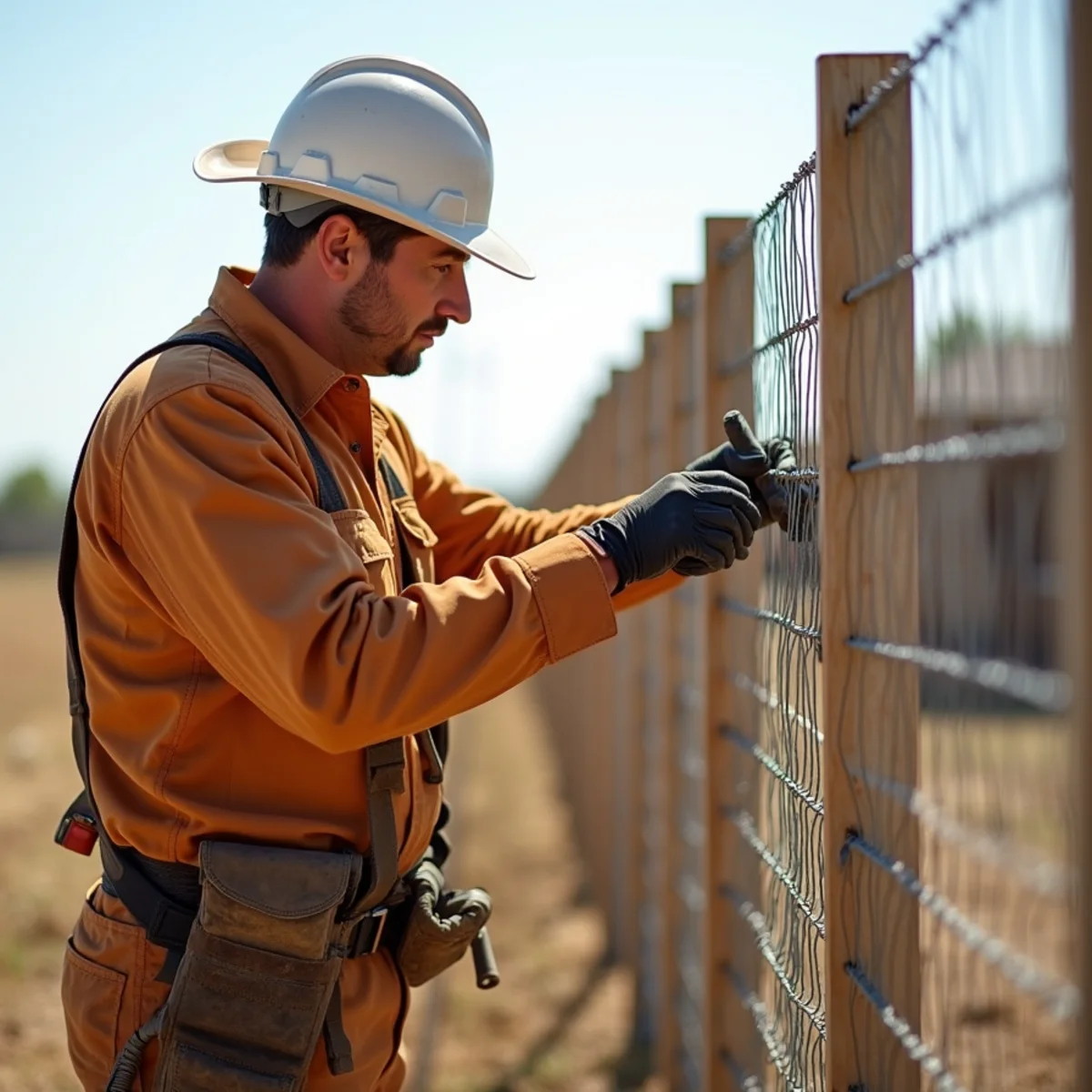
When dealing with fence blown down by storm what to do in East-Central Kansas, prompt stabilization and frost-line post depth are essential. Follow local utility rules and select wind-rated materials suited for Coffey County weather.
Overview & Key Takeaway
A damaged or failing fence in East-Central Kansas requires quick action, proper materials, and an understanding of regional ground and weather conditions. From high spring winds across Coffey County to winter freeze-thaw cycles that push shallow posts out of alignment, choosing the right repair method or material prevents repeated headaches.
Immediate Practical Steps
- **Assess Structural Stability:** Check whether fence posts have snapped at ground level, rotted below grade, or simply leaned due to softened wet soil.
- **Secure the Perimeter:** If livestock, dogs, or property security are at risk, install temporary panels or T-post braces before permanent reconstruction begins.
- **Verify Property Boundaries & Utilities:** Always confirm boundary lines with recorded surveys and call Kansas One-Call (811) before digging any new post holes.
- **Choose Climate-Resilient Materials:** In Coffey County, Western Red Cedar with ceramic construction screws or commercial galvanized steel posts outperform standard untreated pine and smooth nails.
Weather & Soil Factors in East-Central Kansas
Fences built around Gridley, Burlington, and neighboring Flint Hills towns face unique environmental pressures. During March and April, severe thunderstorms and straight-line winds test lateral fence strength. In low-lying areas near the Neosho River and John Redmond Reservoir, heavy spring runoff saturates clay subsoils, drastically reducing the holding power of shallow footings.
To prevent frost heave, fence posts must be set 36 to 42 inches deep—well below Kansas's winter frost line. Footings should be poured with bell-shaped bottoms to lock posts into the surrounding undisturbed earth.
Cost & Material Trade-Offs
When planning a fence build or major overhaul, balancing upfront investment against long-term maintenance is critical: - **Wood Privacy Fencing:** Cedar offers natural rot resistance and timeless curb appeal but requires staining every 3 to 5 years in intense Kansas summer sun. - **Commercial Chain Link:** Economical, wind-permeable, and maintenance-free, especially when reinforced with bottom tension wire for pets. - **Vinyl (PVC) Systems:** Zero painting or sealing required; ensure heavy-wall virgin vinyl profiles with UV inhibitors to resist hail damage. - **Welded Pipe & Agricultural Wire:** The gold standard for cattle operations and Flint Hills ranches, capable of enduring annual pasture burns without structural failure.
When to Call Kraft Fencing, LLC
While minor board replacements can be handled with basic tools, resetting rotted corner posts, stretching high-tensile wire, or reconstructing storm-flattened spans requires specialized equipment like skid-steer hydraulic augers and laser alignment tools.
Kraft Fencing, LLC provides on-site evaluations, itemized written estimates, and prompt emergency repairs throughout Coffey County and surrounding areas. Call **(614) 543-4232** to speak directly with our team.
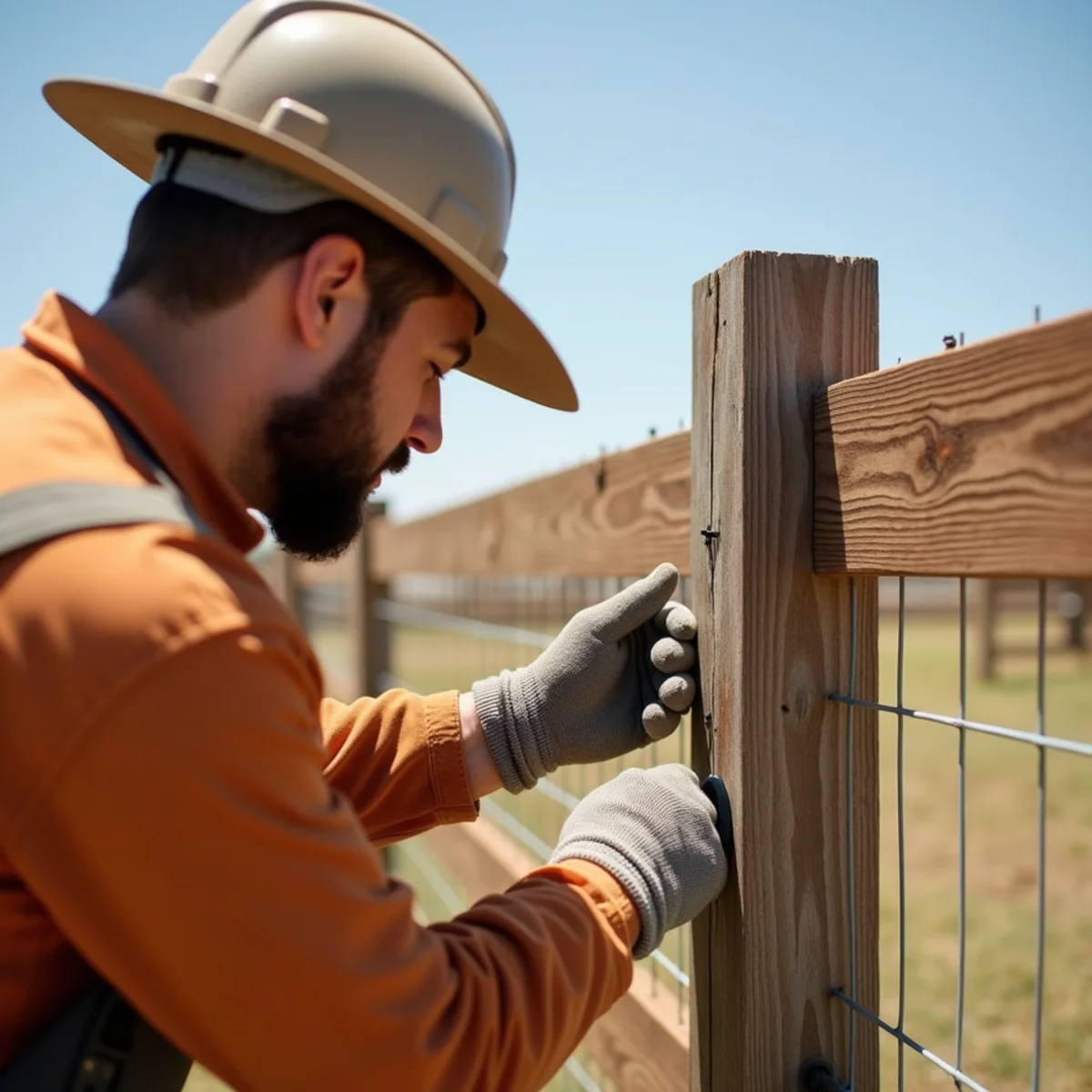
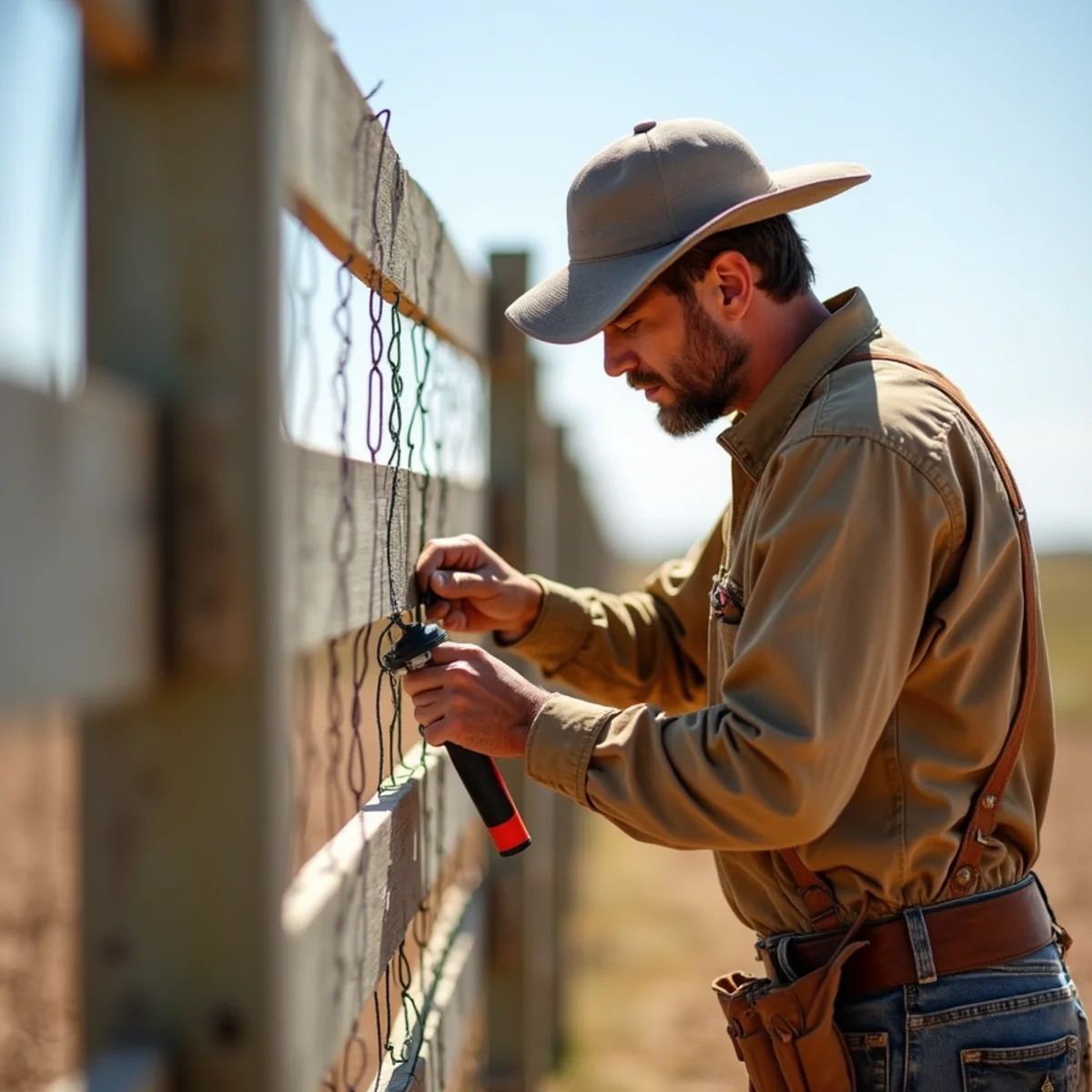
Field Diagnostics & Construction Detail
Have Questions About Fencing on Your Property?
Kraft Fencing provides straightforward on-site guidance across Coffey County, Lyon County, and surrounding Kansas communities.
Frequently Asked Questions
Locations: /service-areas/coffey-county-ks/, /service-areas/burlington-ks/
Ready to Plan Your Kansas Fence Project?
Speak directly with Brandon Kraft or our crew at (614) 543-4232. Free quotes and honest craftsmanship.